Journey Map
Empty Rack
The Habit That Hides the Gap

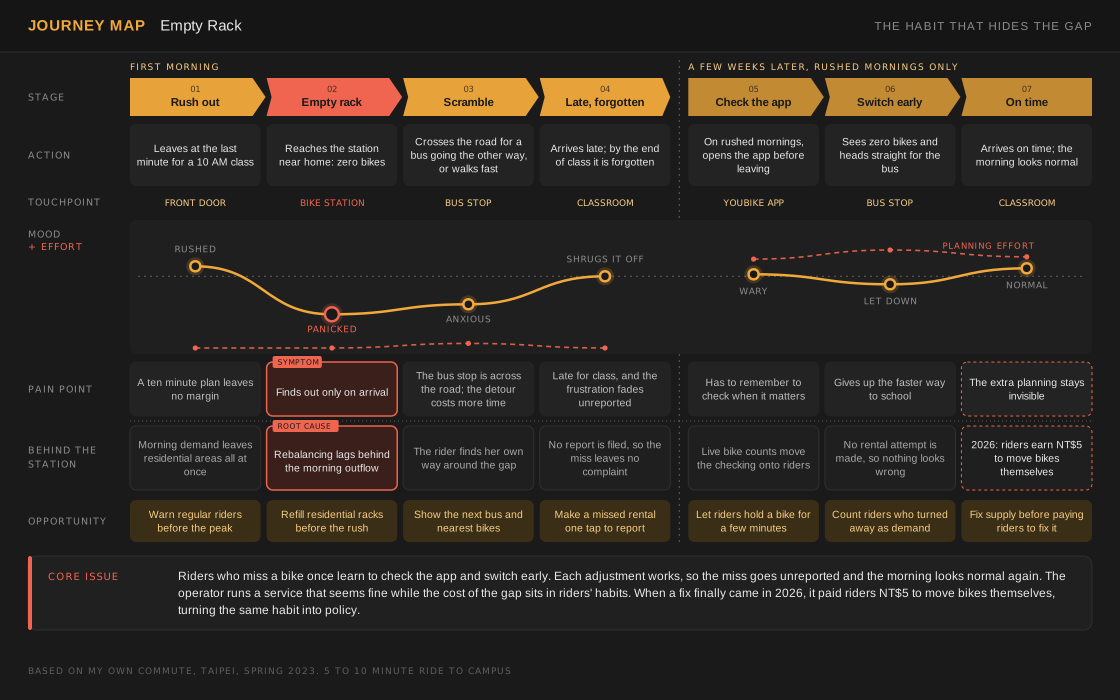
In spring 2023 I lived a short ride from campus. There was a YouBike station near my flat and another at the school gate, so on mornings with a 10 AM class I left with barely ten minutes to spare.
One morning the rack was empty. The nearest bus stop was across the road, on the side heading the other way. Sometimes a bus came in time. Other times the detour cost more than it saved, and I ended up walking fast and arriving late. By the end of class I had forgotten about it, and I never reported it.
What stayed was a habit. On rushed mornings I now open the app before leaving, and if the count is zero I head straight for the bus. I chose this scenario because the fix came from me. Nothing in the service changed, and from the outside, nothing ever looked wrong.
WHERE THE MISS DISAPPEARS
This map follows the same commute twice, once on the morning it failed and once after I learned to work around it, with a second line tracking how much planning each version asked of me.